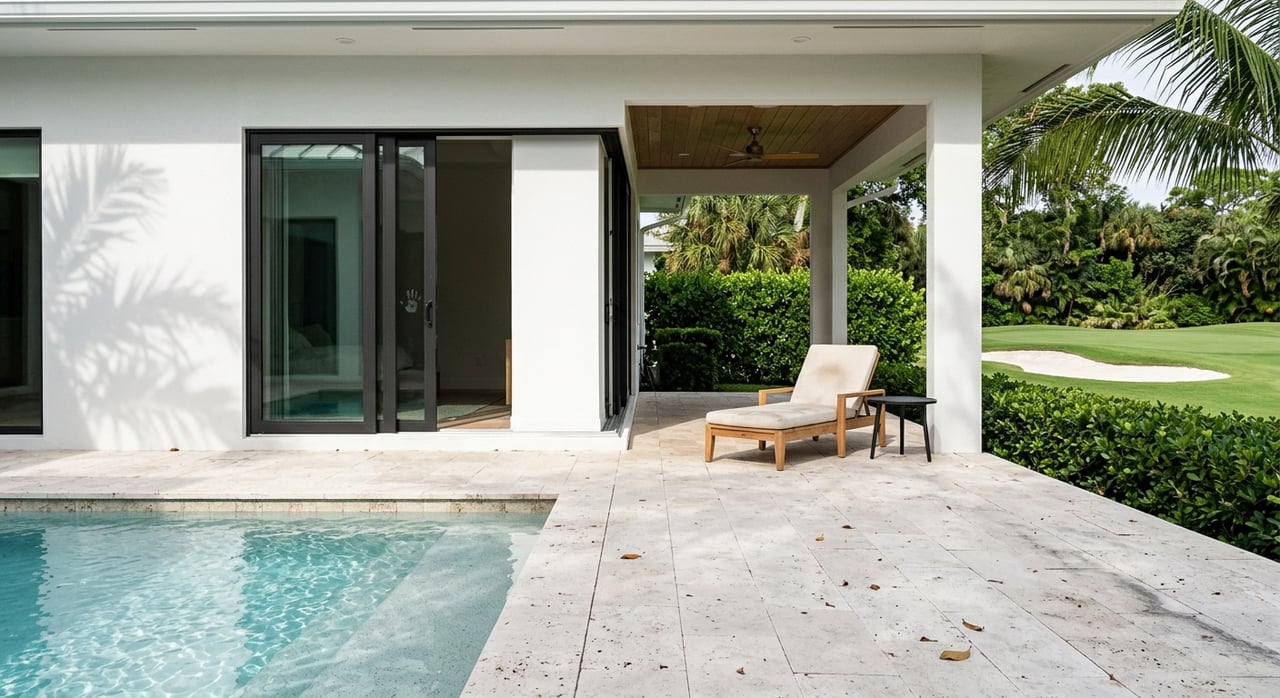
Palm Beach Gardens Gated And Golf Communities Guide
June 25, 2026
June 25, 2026
If you are searching for a gated or golf community in Palm Beach Gardens, it is easy to assume they all offer the same lifestyle. They do not. Some neighborhoods focus on privacy and shared maintenance, some center around club life and golf access, and others add another layer of costs through community development districts. This guide will help you sort through the differences, compare real monthly ownership costs, and ask better questions before you buy. Let’s dive in.
Palm Beach Gardens has a wide mix of gated and non-gated communities, from villas to estate homes. It also has both private golf settings and public golf options, which means “gated” and “golf” are not the same thing.
That matters because two homes with similar prices can come with very different lifestyles and very different carrying costs. If you are relocating from out of state, this is one of the biggest areas where clear expectations can save you from an expensive surprise.
A gated community usually means the neighborhood has controlled access and an association that manages common areas and community standards. In Palm Beach Gardens, that can include single-family homes, villas, townhomes, and sometimes attached living options.
Amenities can vary a lot. In some neighborhoods, dues may cover only the gate, landscaping in common areas, and basic upkeep. In others, they may also support clubhouses, pools, racquet facilities, trails, or additional services.
Under Florida HOA law, buyers are entitled to certain disclosures before closing. That is important because the association documents can tell you what the rules are, what the dues pay for, and what your obligations will be after you own the property.
A golf community can mean very different things depending on the neighborhood. In some places, the golf experience is closely tied to ownership. In others, living there does not automatically mean golf is included.
A useful local example is PGA National Resort, which advertises 79 holes of championship golf across five courses, along with racquet and spa amenities. Its membership materials say golf membership includes access to all courses and lifestyle amenities, which shows why buyers need to confirm whether club access is included, optional, or handled separately from the home purchase.
If you want the golf lifestyle, do not stop at the listing description. Ask exactly how access works, whether membership is separate, and what recurring costs come with it.
Not every buyer wants a private club structure. Palm Beach Gardens also offers public golf options, which can be a better fit if you want to play regularly without taking on private club obligations.
The city operates Sandhill Crane Golf Club and The Nest Par 3. According to the city, Sandhill Crane is Florida’s only course carved out of a natural preserve and wetlands area, while The Nest includes a large putting green, a two-story driving range, and casual dining.
For some buyers, that opens up more flexibility. You may prefer a gated neighborhood without mandatory golf costs, while still keeping easy access to public golf nearby.
Some newer communities in Palm Beach Gardens include another layer that buyers need to understand: the Community Development District, or CDD. A CDD is a special-purpose local government structure allowed under Florida law to help finance and maintain community infrastructure.
Avenir is a strong local example. The developer describes it as a 4,752-acre Palm Beach Gardens community with golf cart paths, lakes and waterways, a resort-style clubhouse, a planned town center, and more than 2,400 acres of preserve land. City records also identify an Avenir Community Development District.
Why does this matter to you? Because HOA dues and CDD assessments are not the same thing. A CDD charge may appear on your tax bill as a non-ad valorem assessment, so you need to account for that when comparing one community to another.
In Palm Beach Gardens, low-maintenance living does not always mean a single-family home. You may also be comparing condos, villas, or coach homes in gated or golf-oriented areas.
For condos, monthly fees can cover more than neighborhood upkeep. They may reflect building maintenance, reserves, insurance, and repair obligations in ways that are different from an HOA-only neighborhood.
Florida’s condo framework also includes buyer disclosure requirements tied to milestone inspections and structural integrity reserve studies when applicable. That means a lower monthly condo fee does not always equal a lower long-term cost if the building has deferred maintenance or underfunded reserves.
One of the biggest mistakes buyers make is focusing too much on the mortgage payment and not enough on the full ownership picture. In Palm Beach Gardens, your real monthly cost may include several separate line items.
Here are the common costs to review:
Palm Beach County tax guidance notes that taxable value is based on assessed value minus exemptions or credits, and non-ad valorem assessments appear separately on the tax bill. That is why two homes at a similar price can have meaningfully different annual ownership costs.
For many out-of-state buyers, insurance is one of the biggest Florida adjustments. Standard homeowners insurance generally does not cover flood damage, and Florida’s insurance regulator says flood insurance may be written as a stand-alone policy or as an endorsement.
If you are comparing communities in Palm Beach Gardens, treat flood coverage as a separate question instead of assuming it is already handled. This is especially important when you are building your monthly budget and trying to avoid surprises after closing.
If you want to compare gated and golf communities the right way, keep your questions simple and specific. The goal is to separate the home itself from the rules, fees, and lifestyle costs attached to it.
Use this checklist as a starting point:
These questions line up well with how Florida structures disclosures for HOAs and condos. They also help you compare homes on a true apples-to-apples basis.
When buyers feel overwhelmed, I usually suggest narrowing the decision into three buckets: lifestyle, cost, and rules. That keeps the process practical.
First, decide what kind of day-to-day living you actually want. Do you want a simple gated setting, a club-focused golf experience, or a lower-maintenance property with shared services?
Second, look at the total monthly cost, not just the list price. Include dues, assessments, taxes, insurance, and any club-related expenses.
Third, review the rules carefully. Restrictions on rentals, exterior changes, parking, pets, or membership structure can affect both your quality of life and your long-term flexibility.
Palm Beach Gardens offers real variety, which is a plus for buyers. But that variety also means you need a clear process for comparing community types instead of relying on labels alone.
A gated neighborhood may be the best fit if you want privacy and predictable shared maintenance. A private golf community may make sense if club life is part of your lifestyle. A master-planned community may offer a broad amenity package, but you need to understand how those costs are structured.
The right choice is usually not the flashiest one. It is the one that fits how you want to live, what you want to spend each month, and how much complexity you are comfortable managing.
If you want a straightforward breakdown of Palm Beach Gardens communities, total ownership costs, and what to watch for before you write an offer, Ryan Gritters can help you compare your options without the guesswork.
From pricing and marketing to negotiation and closing coordination, every detail is handled with precision. The goal is simple: deliver a seamless experience tailored to individual goals and timelines.

Ryan Gritters
2424 N Federal Hwy, Ste 150 Boca Raton, FL 33431